
AI in Education Insights

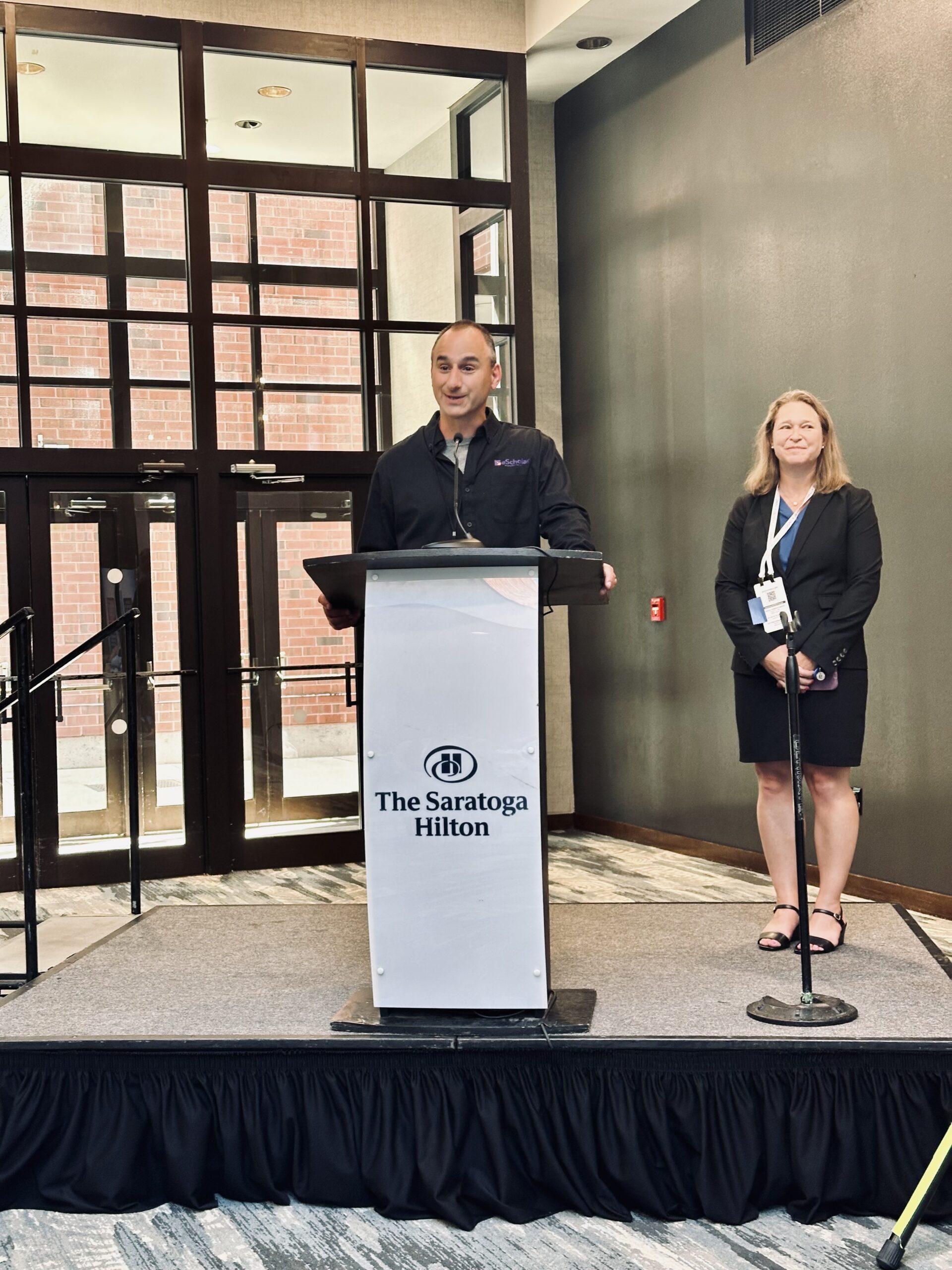
john pozzuto, eScholar EVP, presenting at Summer DATAG 2026

đź’ˇDid you know?

In 2026, approximately 134 bills related to AI in education legislation have been introduced across 31 states. Most pieces of legislation focus on data privacy, classroom use restrictions, attendance monitoring, and curriculum integration.

Although many students and educators are already using widely available AI tools such as ChatGPT, Claude, and Copilot, to name a few – most state lawmakers and districts are still formulating formal AI policies to improve governance and manage risk. In fact, roughly 10 states have enacted specific AI-in-education legislation in 2026 so far, while more than 3x that many (35+) have issued formal guidance without a statute behind it. Legislative themes cover 6 primary areas:

  • AI Literacy
  • Bias and ethical concerns
  • Privacy & Security
  • Access
  • Academic integrity
  • Strategies for AI Integration

New York State Education | 2026 DATAG Conference

This year, at the bi-annual DATAG (Data Analysis Technical Assistance Group) Conference, district leaders, educators, administrators, and data coordinators for the New York Public Schools Department gathered to discuss instructional improvement outcomes, emerging technology trends, AI governance, and modern data visualization tools for K-12 environments. Like many other states, K-12 districts in New York will face a new host of expectations and hurdles as they prepare for the new school year, including the ever-precarious balancing act between newly enacted policies, data accuracy, AI governance, and protecting student privacy.

As a long-time partner to NYSED, eScholar had the opportunity to attend several sessions and we recognized a common motif that district leaders and educators are facing across the board.

1. The Data Balancing Act

For state leaders, trusted data sources are one of the most important aspects of a successful, responsible decision-making formula. For these experts, great data governance feels like empowerment. The guardrails provide support and pave a path for honoring the dignity of each and every student in their charge.

2. Responsibility = Accessibility, Protection, & Culture

District leaders rely heavily on effective data training and purpose-driven procedures designed to mitigate the common pitfalls of using these new AI-powered tools such as hallucinations, proper vetting, and expert oversight to protect PII. There is a gap, and every rung in the education ecosystem ladder presents a new set of challenges, most of which, there is no precedent for in terms of guidelines. So to create a culture of success here, SEAs across the country must leverage tools that prioritize accuracy, consistency, and compliance, while also providing access to digestible resources and enhanced operational requirements that support accessibility and the unique communities each district serves.

3. Dashboarding, Analytics, & Decision-Making

As all SEAs and LEAs know, student data lives in many places – SISs, assessments, programs, and state systems. Each system creates its own identifiers, leading to:

  •  Duplicate and mismatched records
  • Inaccurate enrollment and attendance counts
  • Reporting delays and audit risk
  • Gaps in student history as learners move

Without a trusted identity later, even the best analytics fall apart.

NYSED education experts know this in their bones and are keenly focused on the 11,000+ state agency reporting users as they navigate risk, cost, time, and ownership of the governed data sharing of student, staff, enrollment, attendance, and exam data integration.

eScholar as the Trusted Foundation for K-12 Identity

eScholar understands how to keep pace with that challenging dynamic, as we have been serving the education community since 1997. Our team brings nearly three decades of experience in statewide longitudinal data systems (SLDSs), unique identifier management, data warehousing, and education data interoperability.

So if you are working on AI in education governance as a state agency administrator, part of a district data / IT team, or a finance leader looking to protect funding and reduce audit exposure with confidence, here are some of the ways our solutions improve continuity of services, strengthen accountability reporting, and support program eligibility attribution:

  •  Cross-System Identity Resolution
  • Real-time Matching & Deduplication
  • Student Mobility & Enrollment Tracking
  • Funding & Compliance Integrity
  • Governed Data Sharing & Interoperability

Pin To learn more about how to bring all education data together, check out the eScholar CDW (Complete Data Warehouse) solution. Unlike a generic data warehouse,  eScholar CDW was built specifically for education agencies. The platform  includes an education-focused data model supporting federal standards and  providing built-in validation processes – proven & deployed by many state  education agencies managing large-scale longitudinal education datasets. We can  help your agency leverage that data and establish governance for your AI needs  in whatever capacity you require.

PinIf you are interested in cross-system identity management solutions, please check out our eScholar Uniq-ID product or Schedule a Demo here. Uniq-ID acts as the identity backbone across your entire data ecosystem. Resolving, governing, and maintaining a single, longitudinal student record  over time for the entire spectrum (early childhood, K-12, postsecondary, and  workforce) is our main mission and we would love to help your district or state  agency unify this P-20W data, trust what you see, and make decisions that  improve student success.

Every Student. One Accurate Record. Everywhere it Matters.

eScholar is the K-12 Decision Intelligence Platform that transforms fragmented education data into trusted insights, enabling districts and state agencies to improve student outcomes, maximize funding, and make confident decisions.

Resources

Contact Us

SHARE

PIN
TWEET
Email

Related Posts